

Are you ready?
Here’s the Pelotan Heat Dome protocol.
Most heat plans stop at hydration.
Heat is its own discipline.
The athletes who handle it best manage a longer list of variables than everyone else, and they do it deliberately. None of it is heroic. It's just a stack, worked through on purpose, and most of it is in your control.
Here’s the stack.
Adapt into the heat, carefully.
Heat is a training stimulus in its own right, with the extremes of a heat dome, you’ll want to be even more careful. Train in it consistently and your body adapts: you start sweating earlier and more efficiently, your heart rate settles, and your core temperature runs lower for the same effort. Julien Périard's work puts the plasma-volume gains in the same territory as a mild altitude camp. The catch is you only bank the adaptation if you get through the sessions to earn it. So build in gradually. Drop the intensity for your first few hot sessions, keep them shorter, and let your body catch up before you push. The people who blow up in a heat wave are the ones who treated day one like the weather hadn't changed.
Hydrate for your own body.
The number printed on a bottle was set for someone else. Sweat rates vary hugely between athletes, and so does what's in the sweat. Andy Blow, founder of Precision Fuel & Hydration and good friend of ours, puts the range like this:
"We've tested athletes who lose less than 200mg of sodium per litre of sweat and we've also seen athletes losing well over 2,300mg per litre. Our data suggests the average athlete loses around 950mg/l."
That's a more than tenfold spread. It's why a hydration plan copied from a faster friend can leave you cramping or bloated.
Cool the core before you head out.
Pre-cooling is the trick the pros use that amateurs skip, and it’s easily added to your daily routine during a heatdome. Drink something ice-cold, get ice on the back of the neck, lower your starting core temperature before you head out. Studies on ice-slurry pre-cooling show it drops core temperature by 0.3 to 0.7°C and extends time to exhaustion in the heat by around 19%. You're buying yourself headroom before the session has even started.
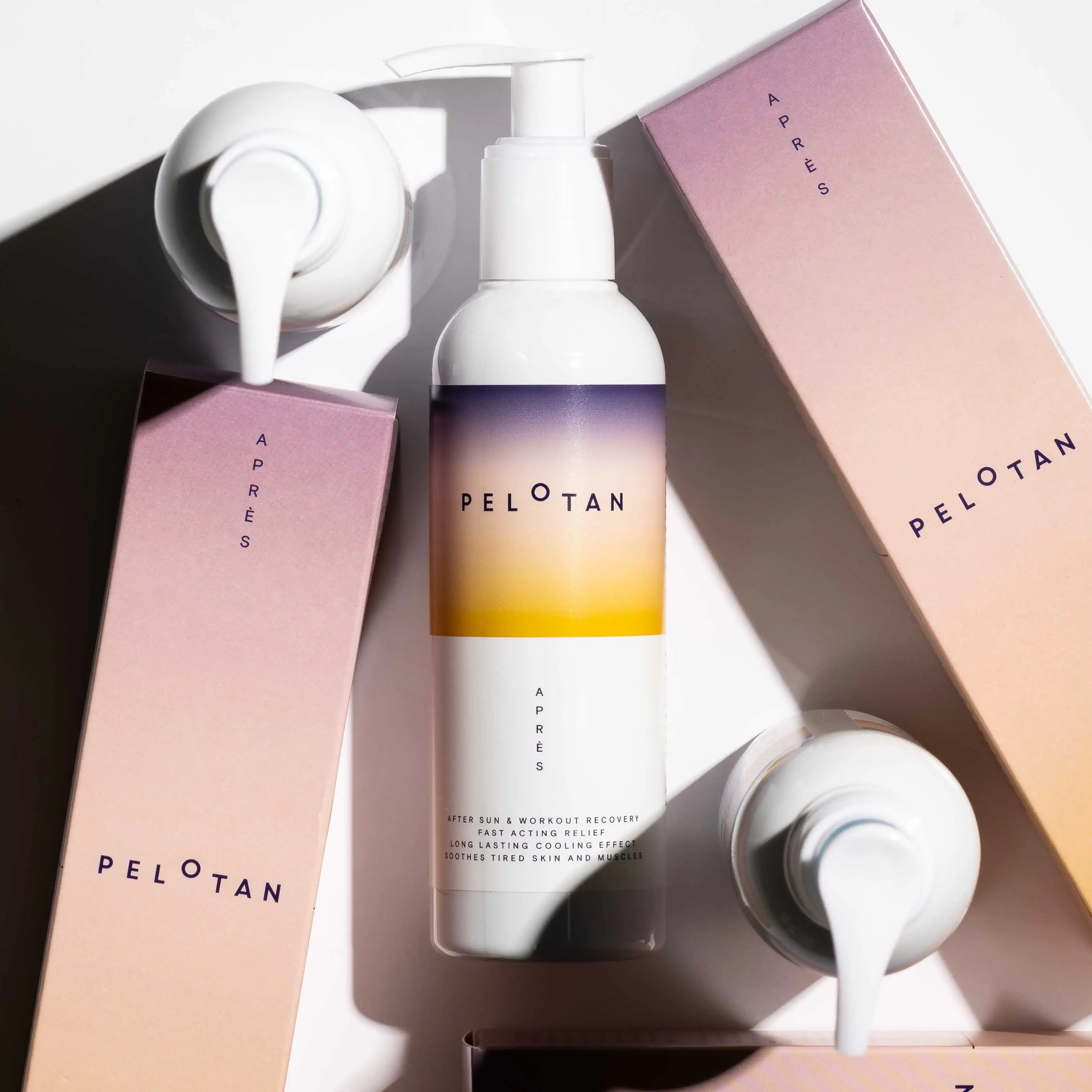
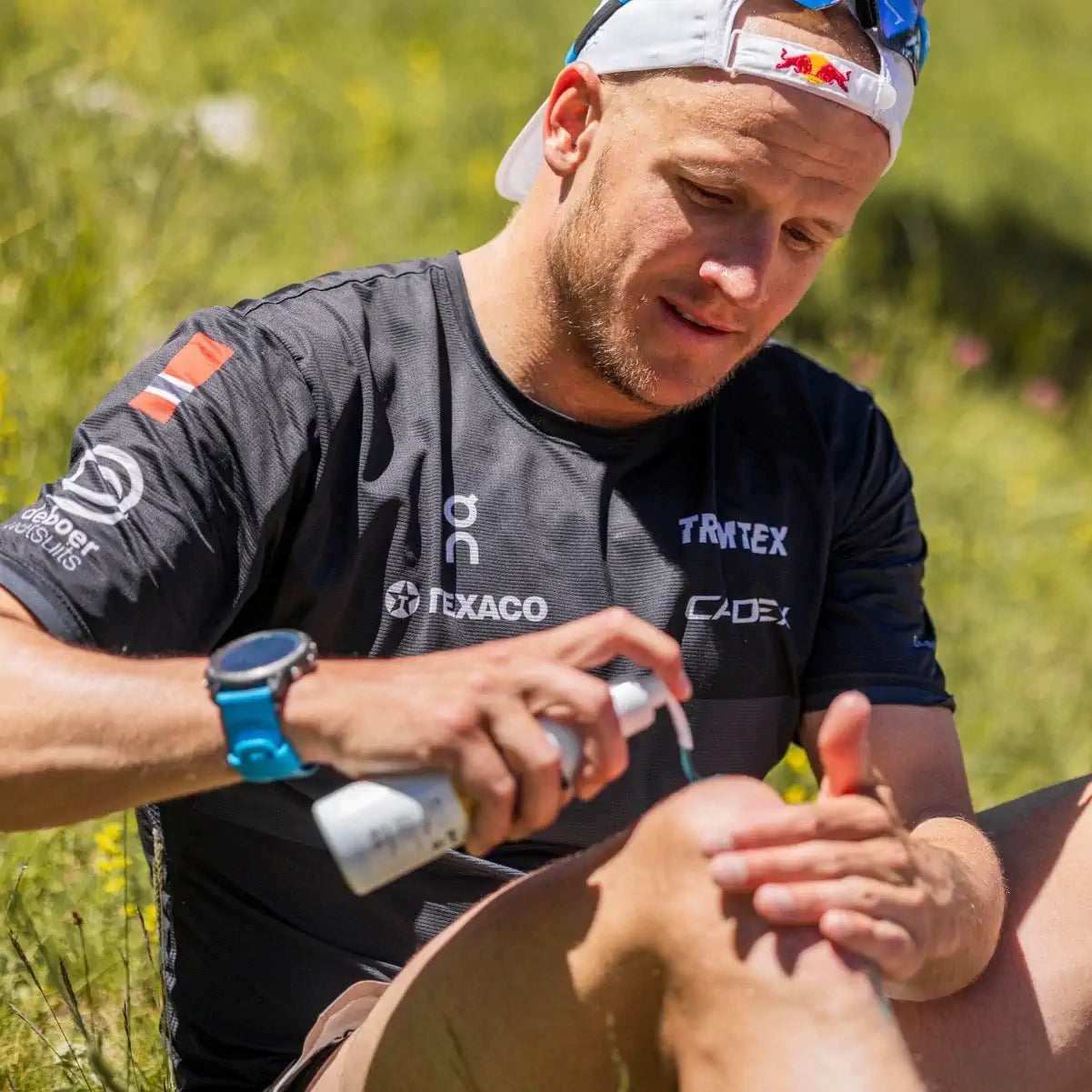
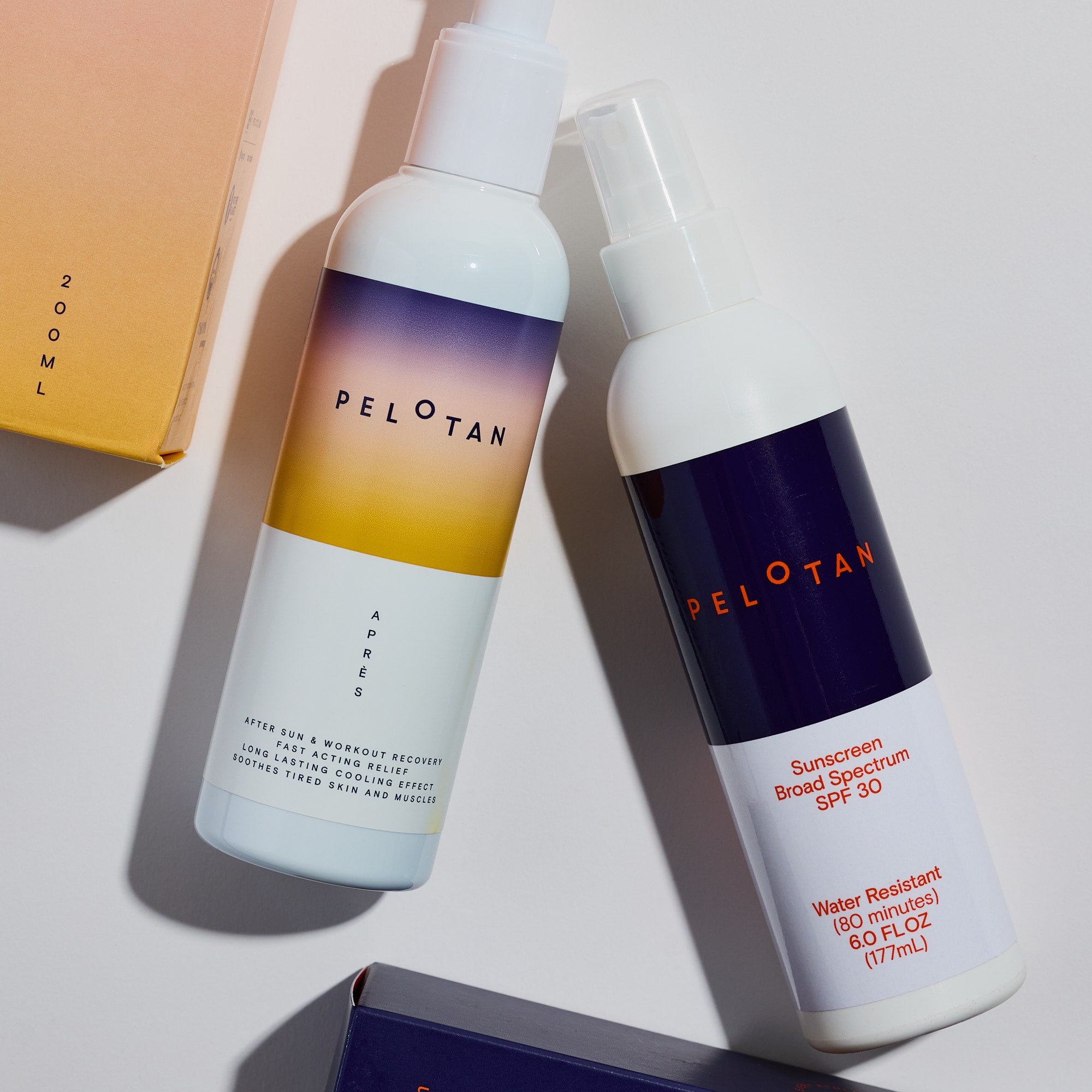
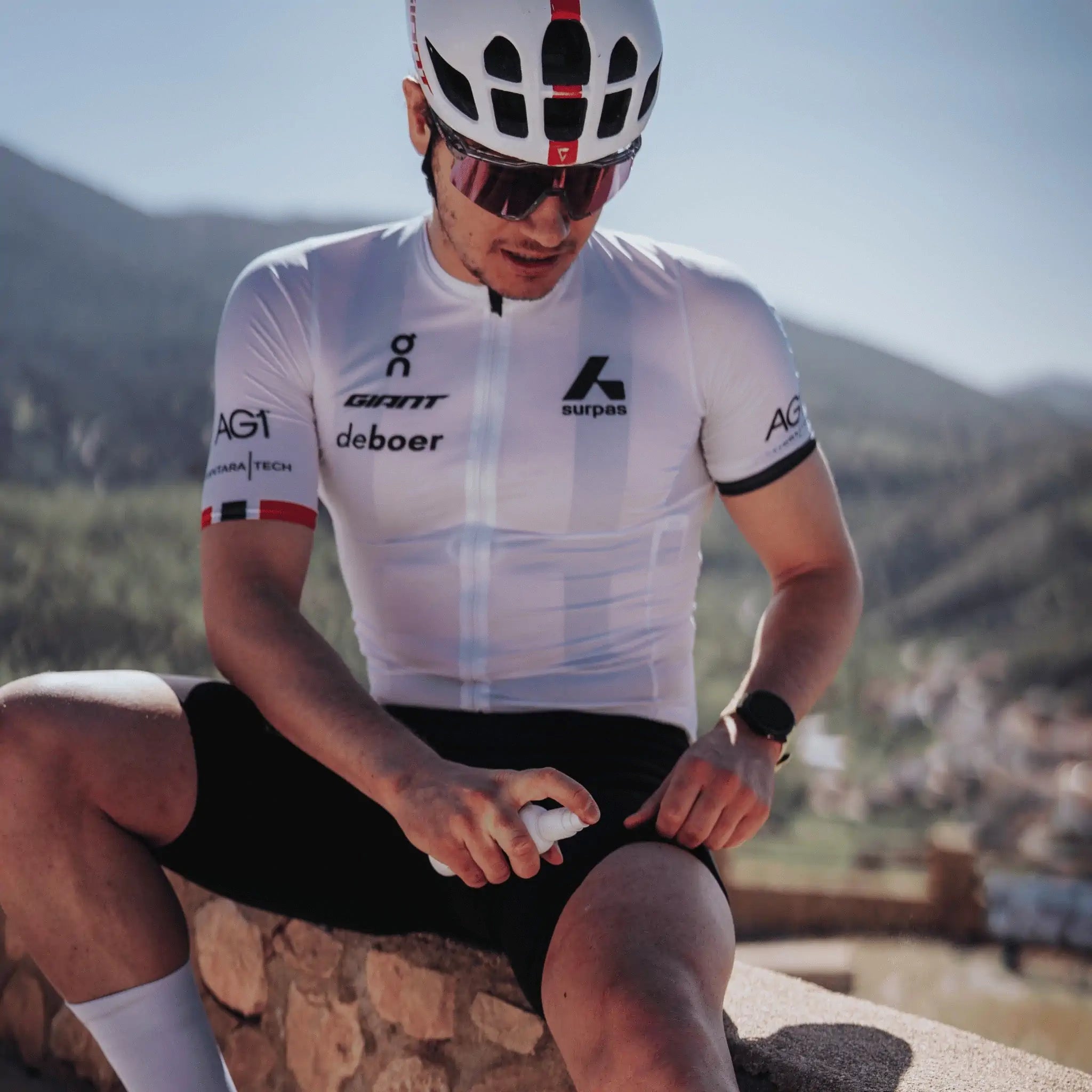
Protect and Recover Bundle


Recover, and bring your temperature down.
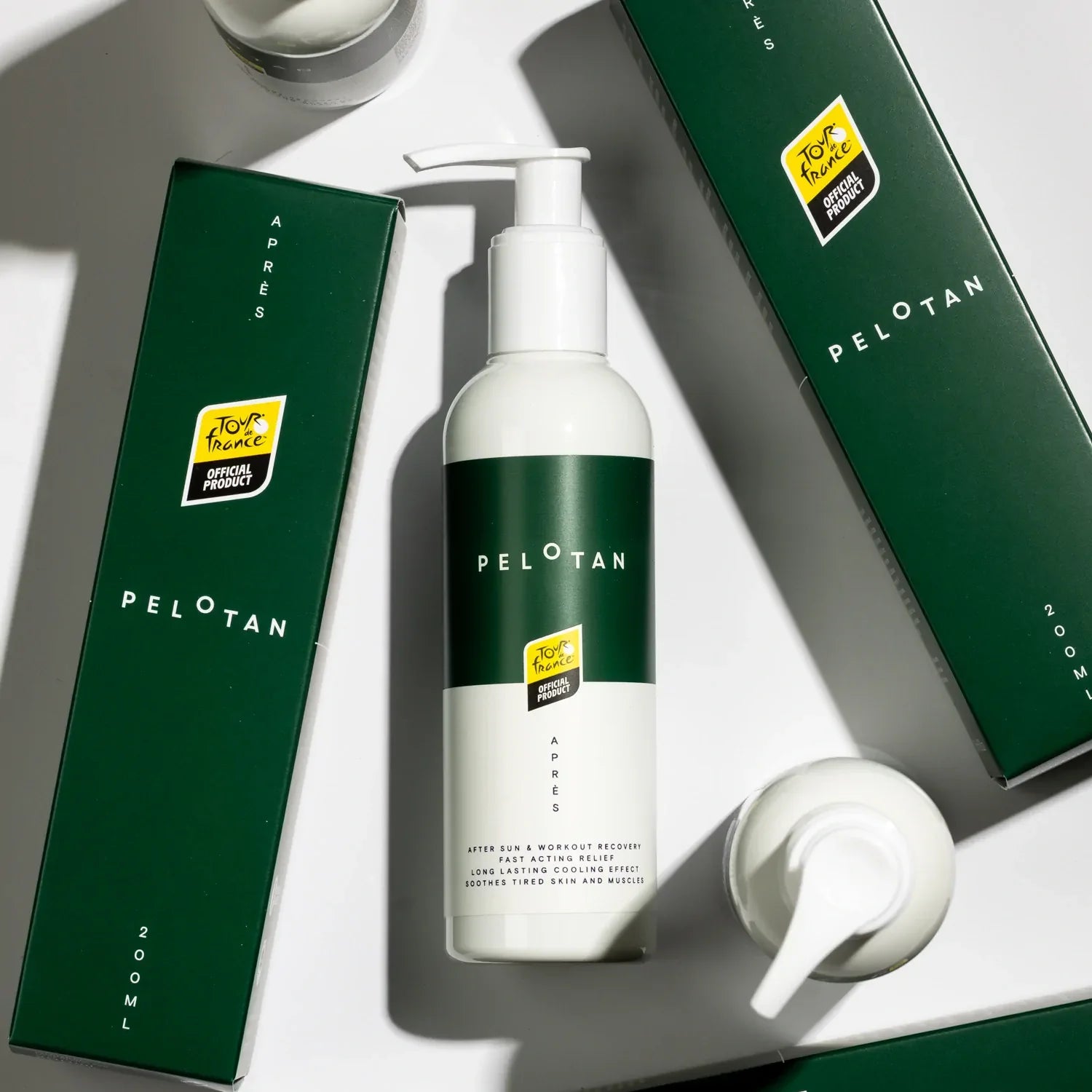
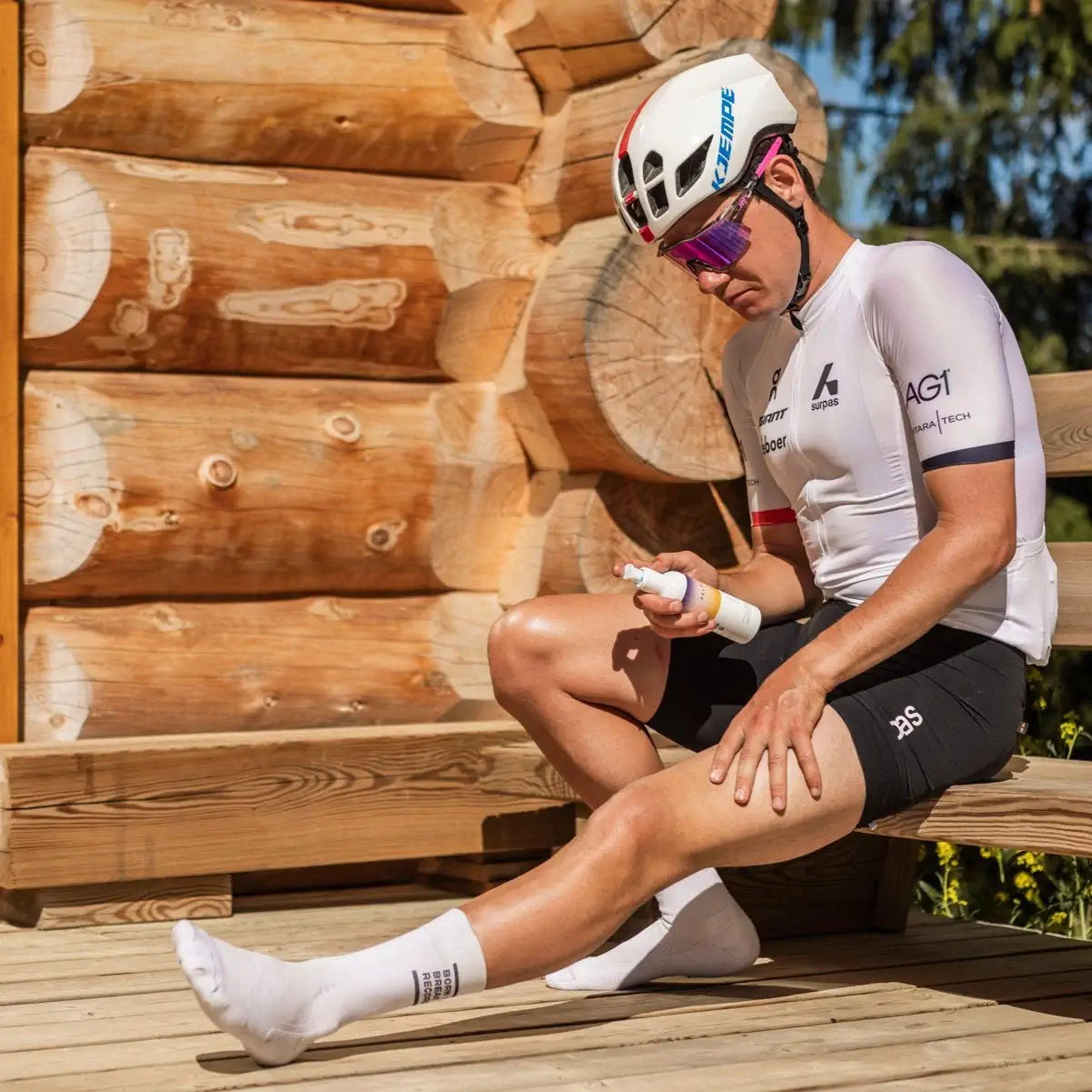
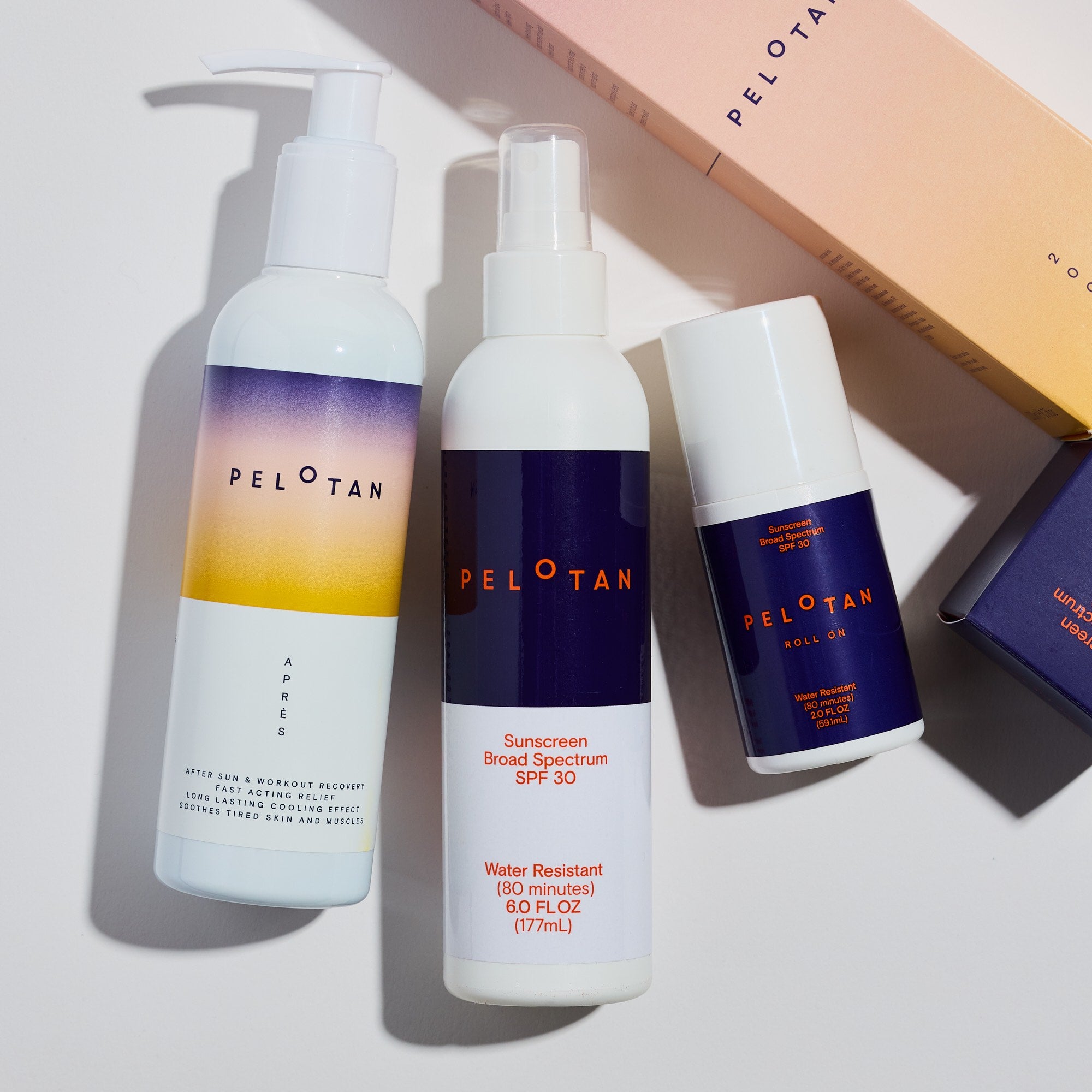
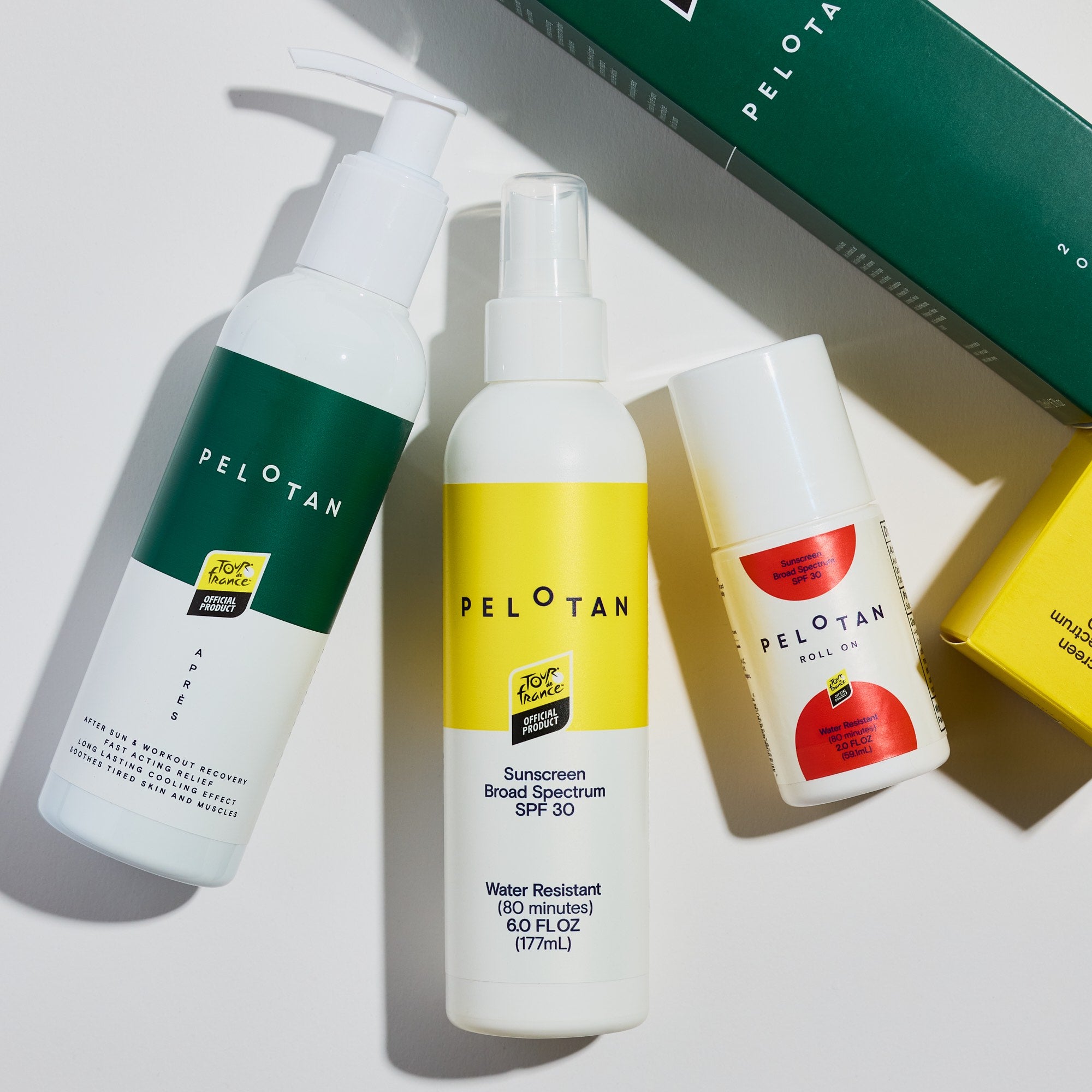
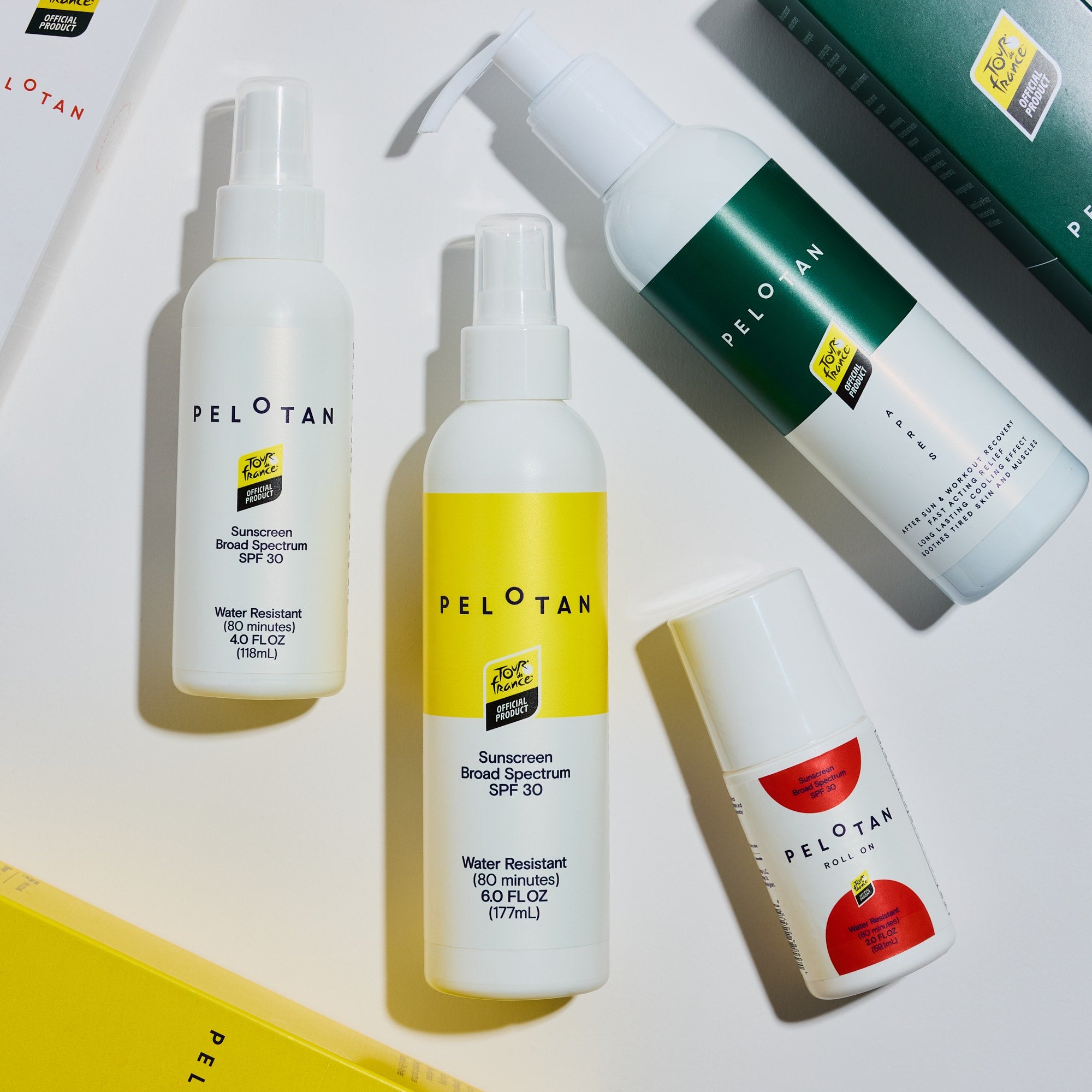
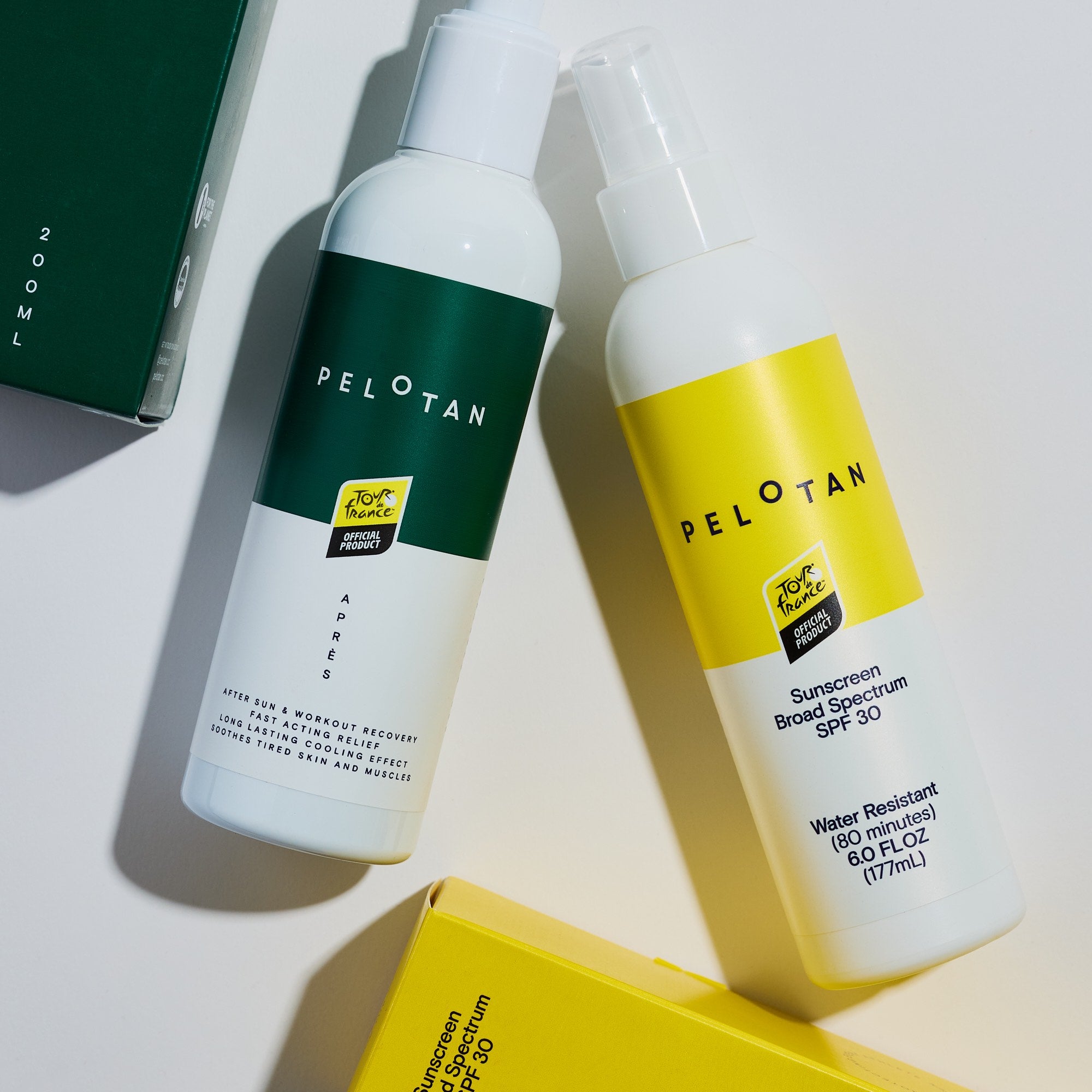
Rehydrate with sodium, eat while your gut's still receptive, sleep. And cool down properly, because your body stays warm long after you stop moving. This is where Après earns its place: our recovery gel cools the skin and helps bring your body temperature down after a hot session, which is half the job of recovering well when you've been baking for hours. Then the load most people never account for at all: the sun.
The variable nobody's measuring.
Every load above has a number and a tool. Heart rate and HRV on your watch. Training Stress Score in TrainingPeaks. Core temperature on a sensor. The sun is the one input nobody puts a number on, even though it's on you for the entire session.
So we built one. UV Load, a 0–100 score for how much UV strain a session puts on you. It's built on Standard Erythemal Dose (SED), the established scientific unit for cumulative UV exposure. It does for the sun what HRV did for recovery: turns an invisible load into a number you can manage.
Here's why it matters this week. Over the past two weeks we've watched the average UV Load of our early adopters' sessions climb sharply. Scores in the 90s are now common for midday rides and runs. For context, IRONMAN Kona, one of the harshest sun exposures in endurance sport, scores around 98. You could be taking on near-Kona UV on what you think is an easy midday spin.
The sun does more than burn skin. UV exposure drives your core temperature up, brings fatigue forward, and competes with your muscles for the immune and repair resources you need to recover. It compounds across a training block exactly the way fatigue does. Manage it and you protect the work you've already banked.
Time it well.
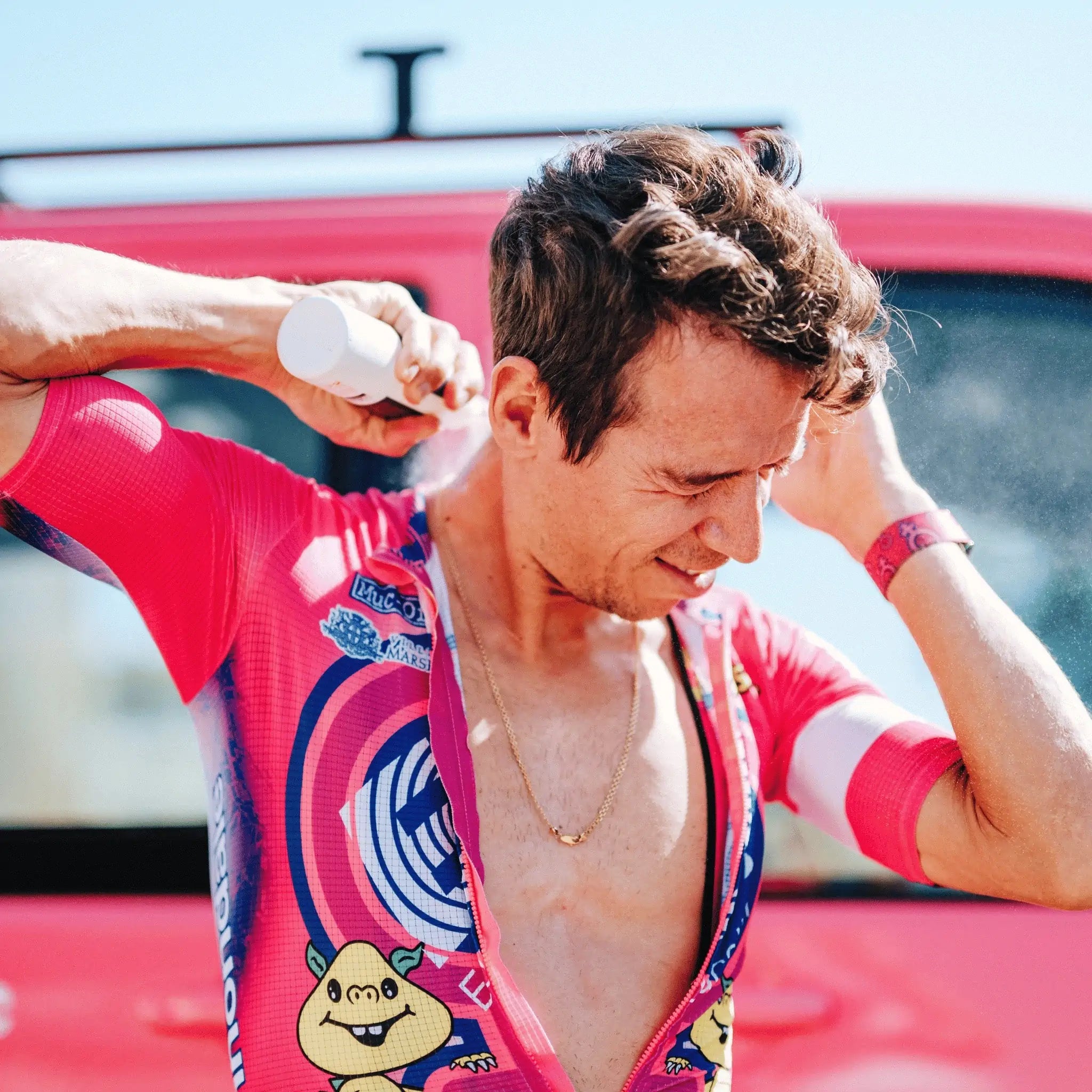
The single biggest lever on your UV Load is free: when you train. Most of the day's UV lands in the hours either side of midday. The same two-hour session at 7am or after 5pm can carry a fraction of the UV dose it would at 1pm. If you can move the hot, sunny sessions to the edges of the day, do it - especially when the heat is extreme. You take on less heat and less UV for the same work, and you'll feel it the next day. When you can't move it, that's when protection from the world’s best sports sunscreen does the heavy lifting.
Heat rewards the athletes who treat it as a system. Adapt into it, hydrate and salt for your own body, fuel light, cool down, recover, choose your timing, and manage the sun like the load it is.
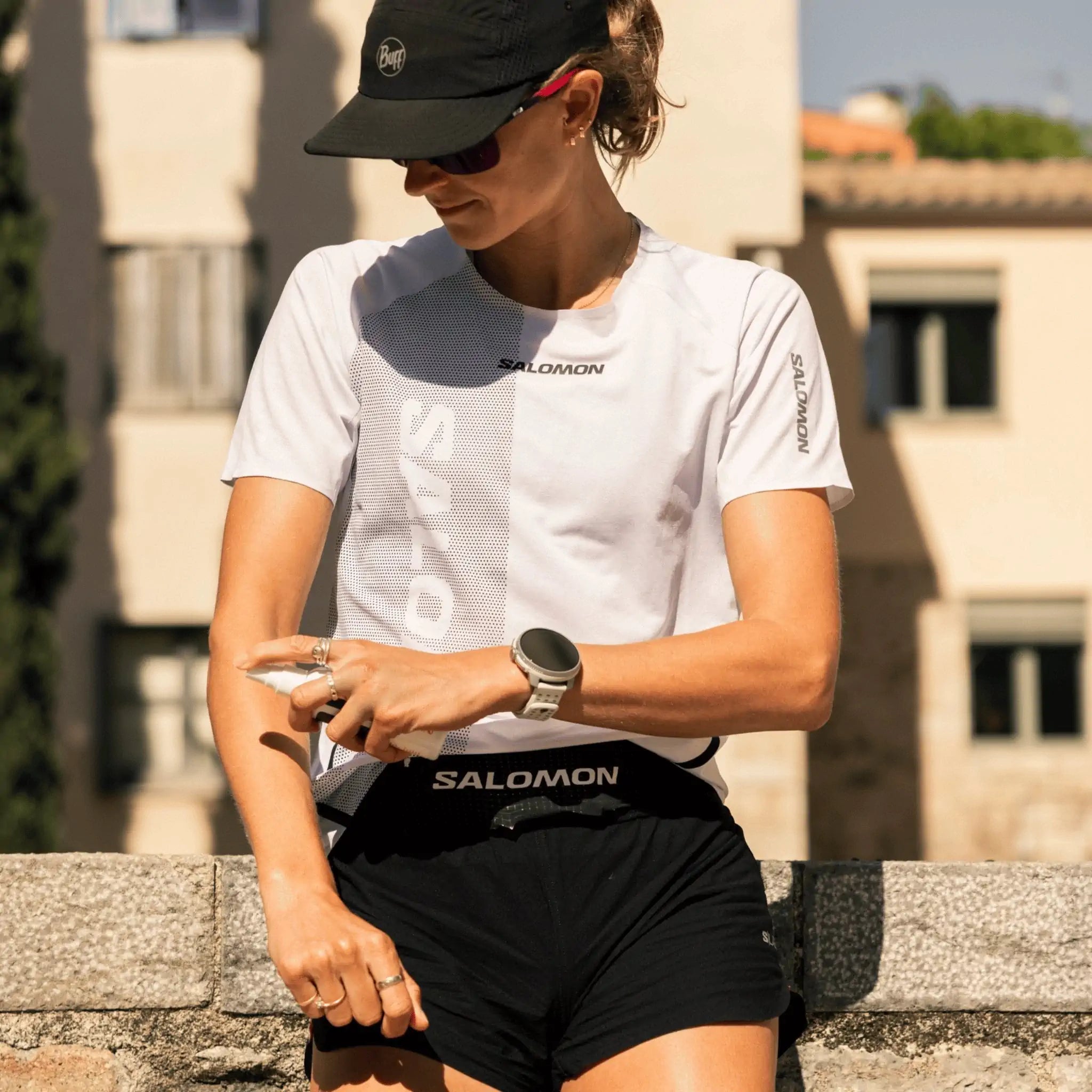
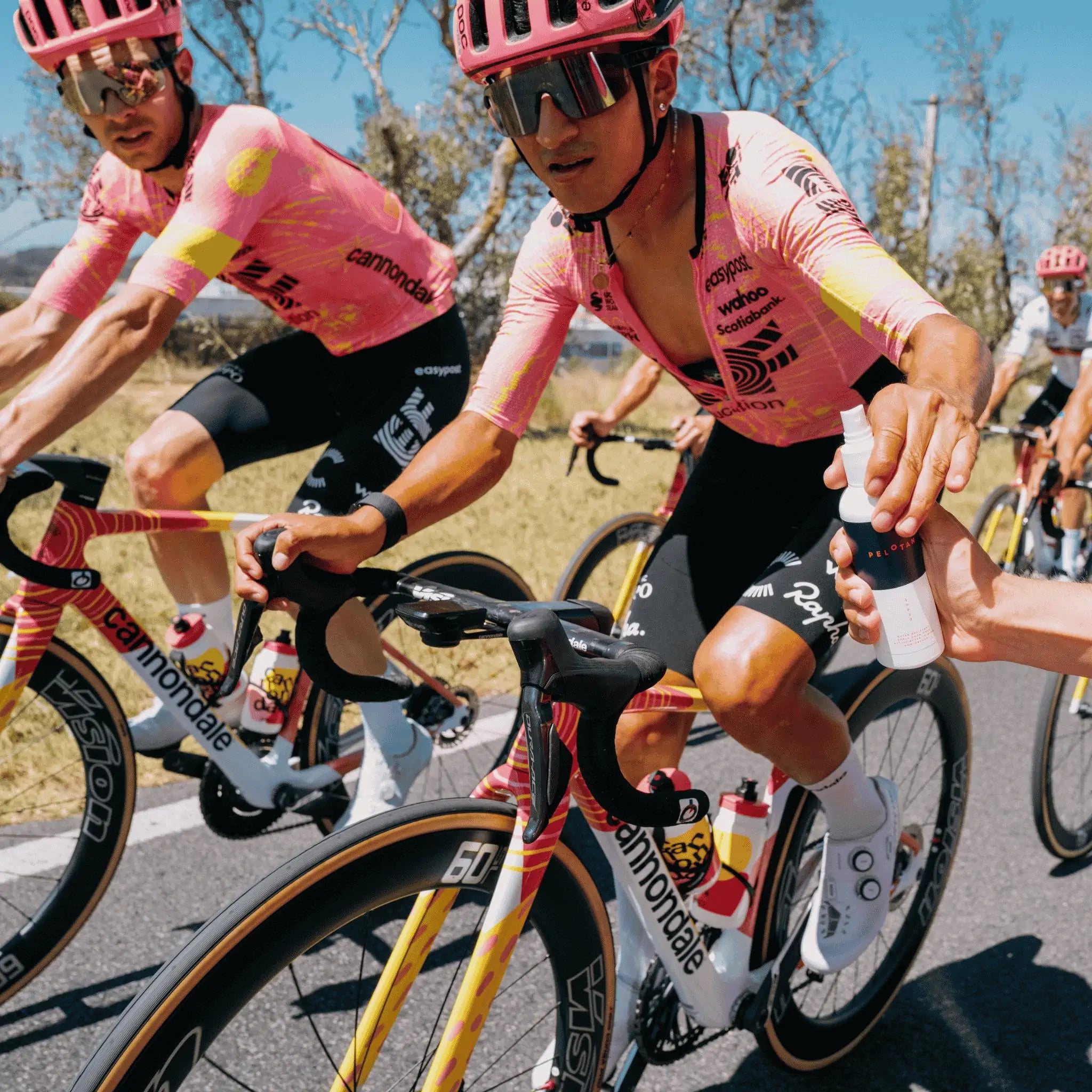
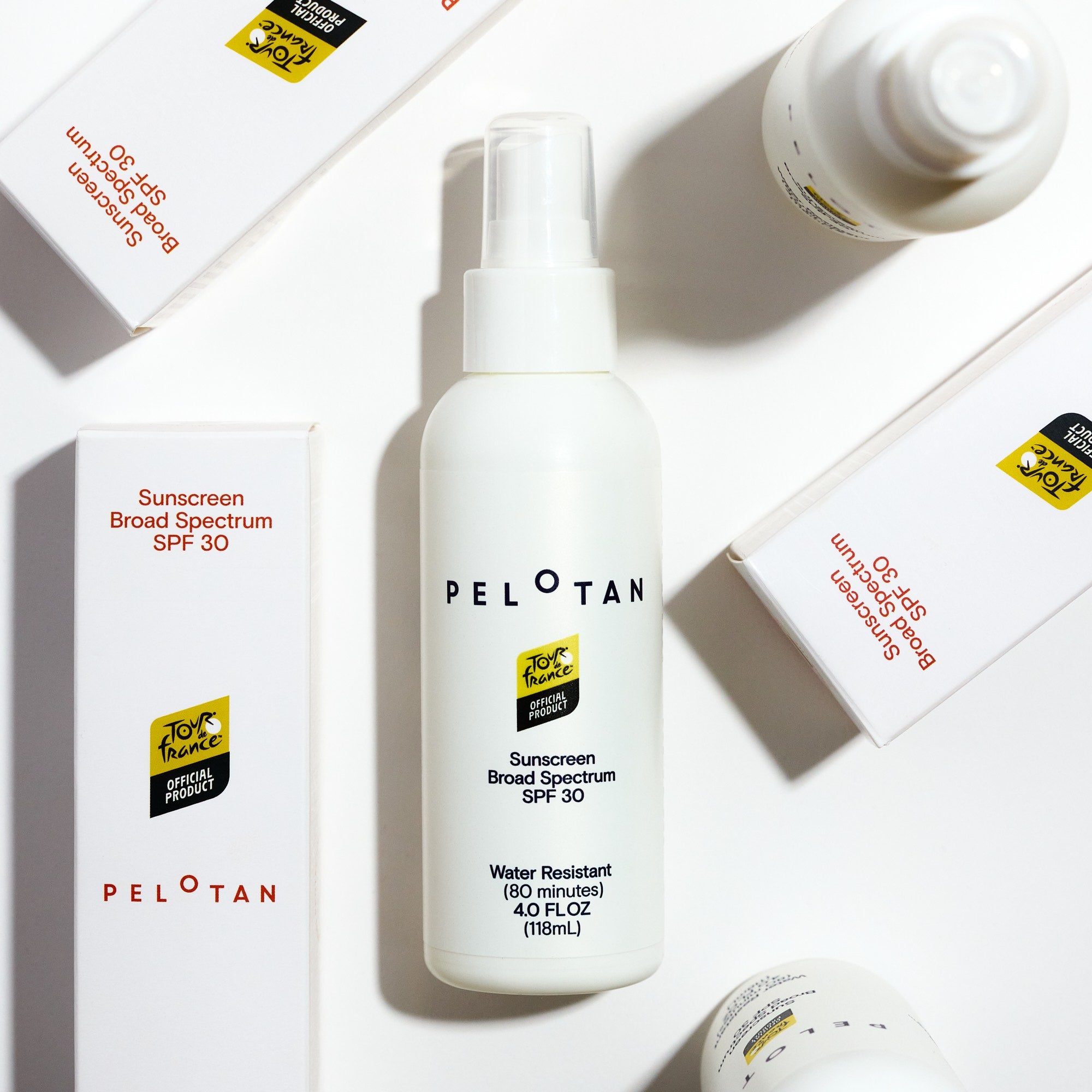
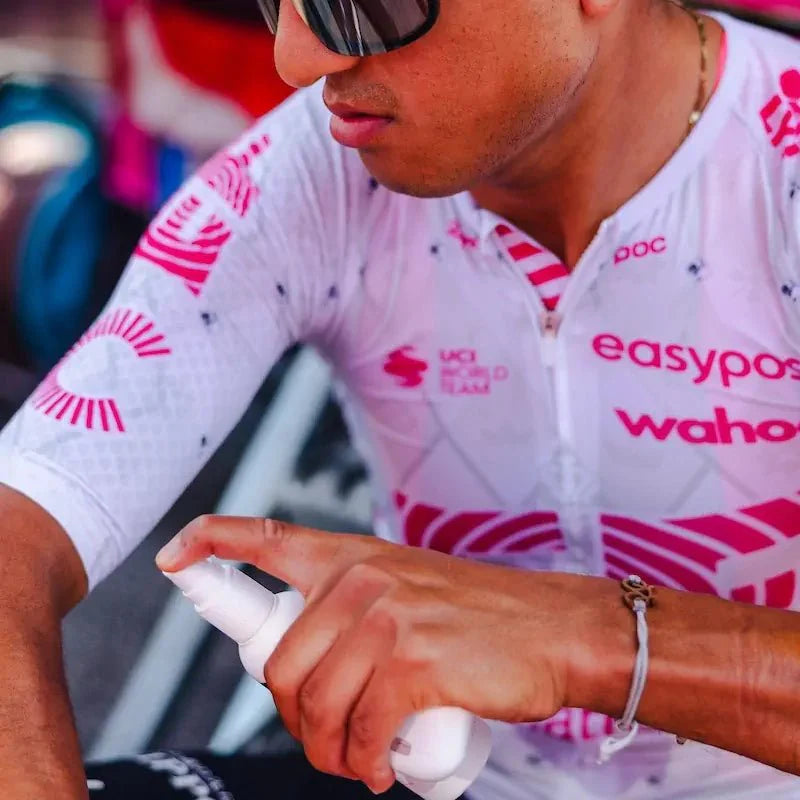
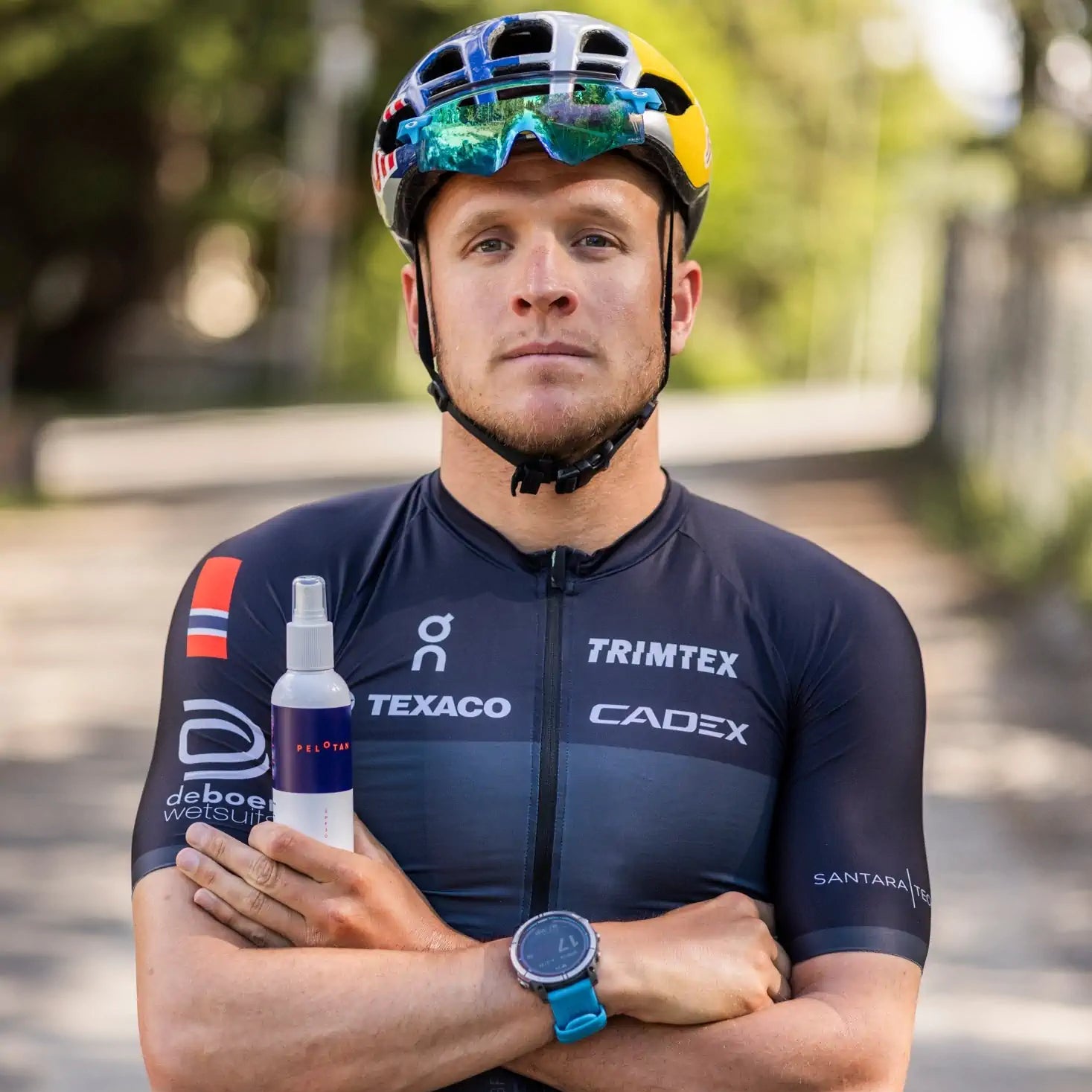
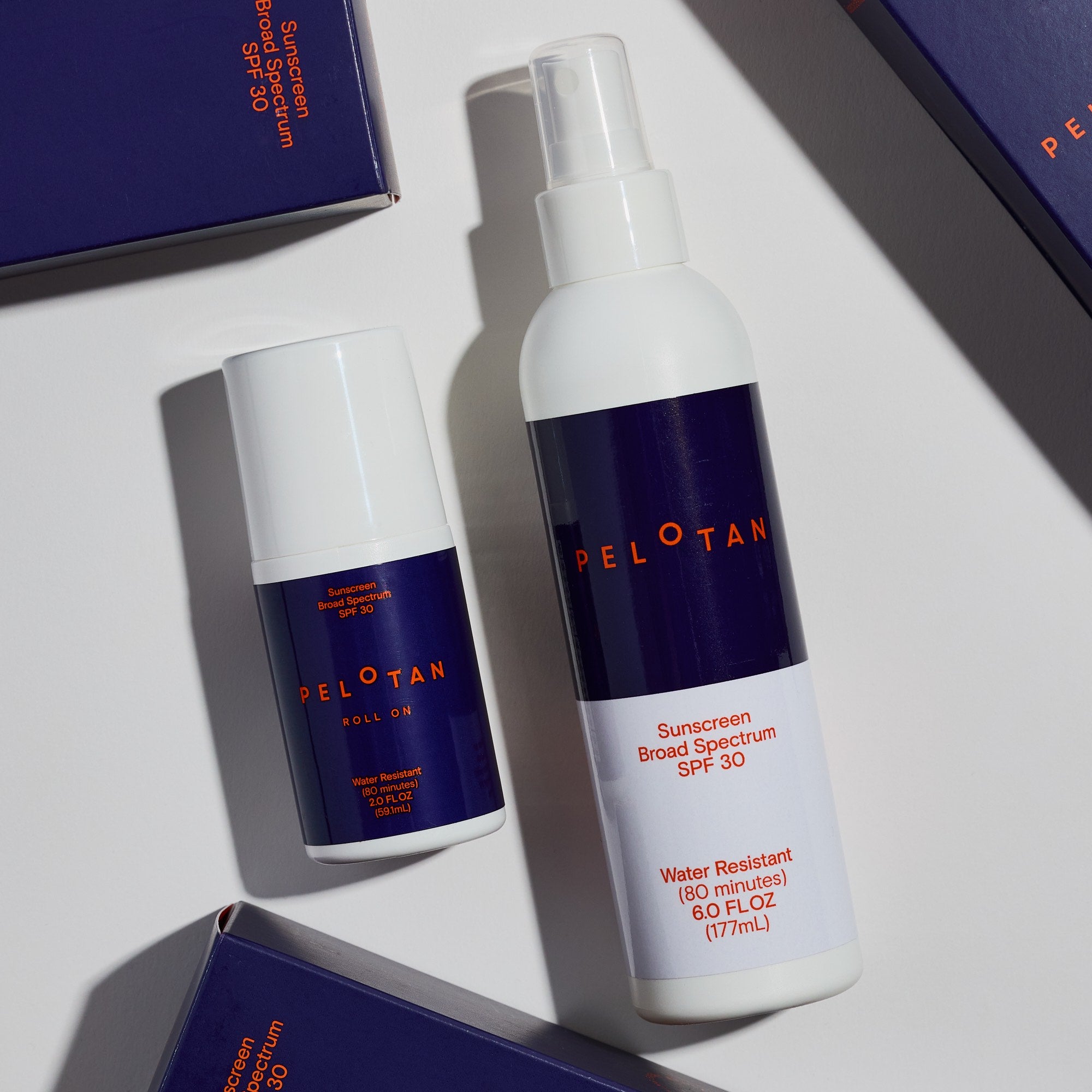
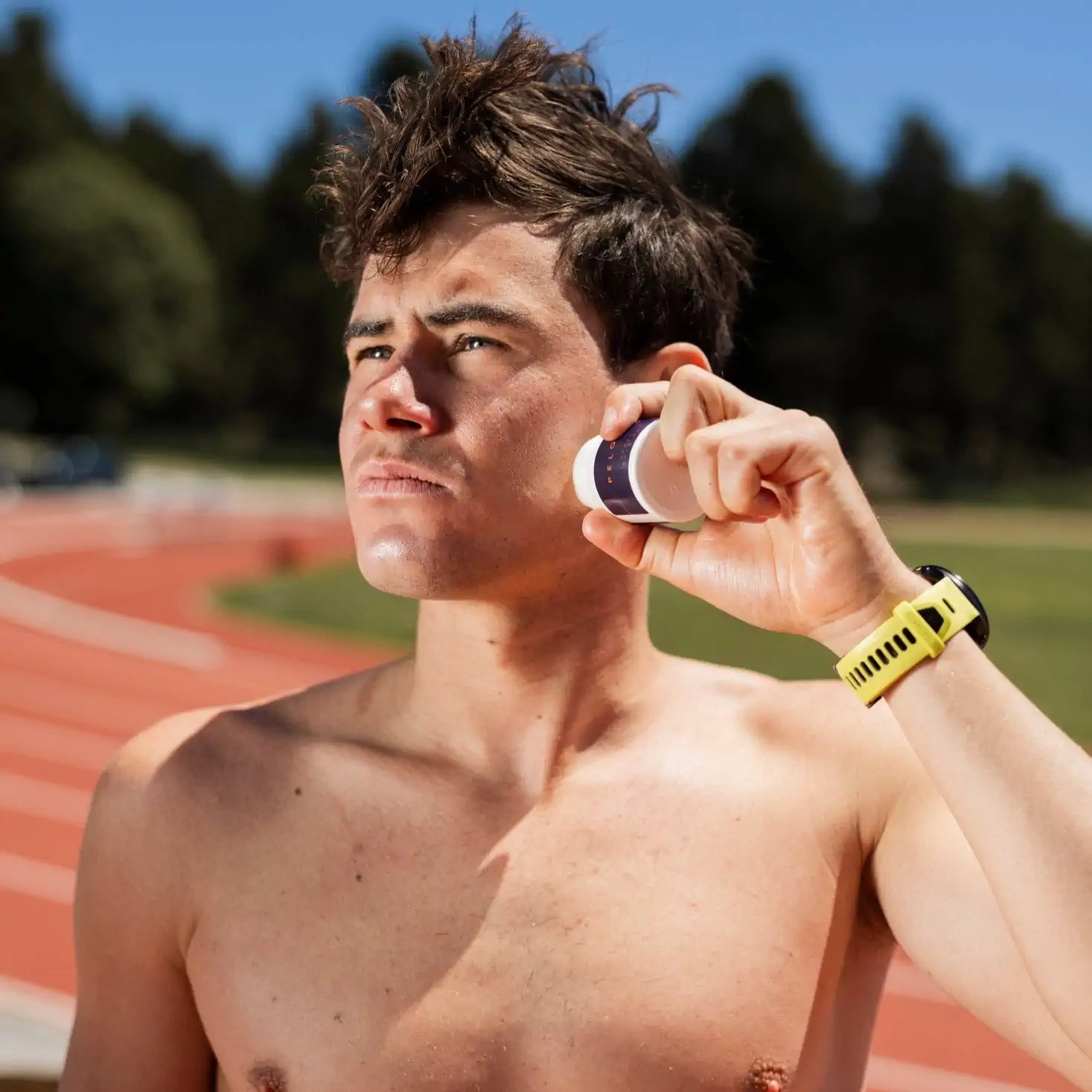
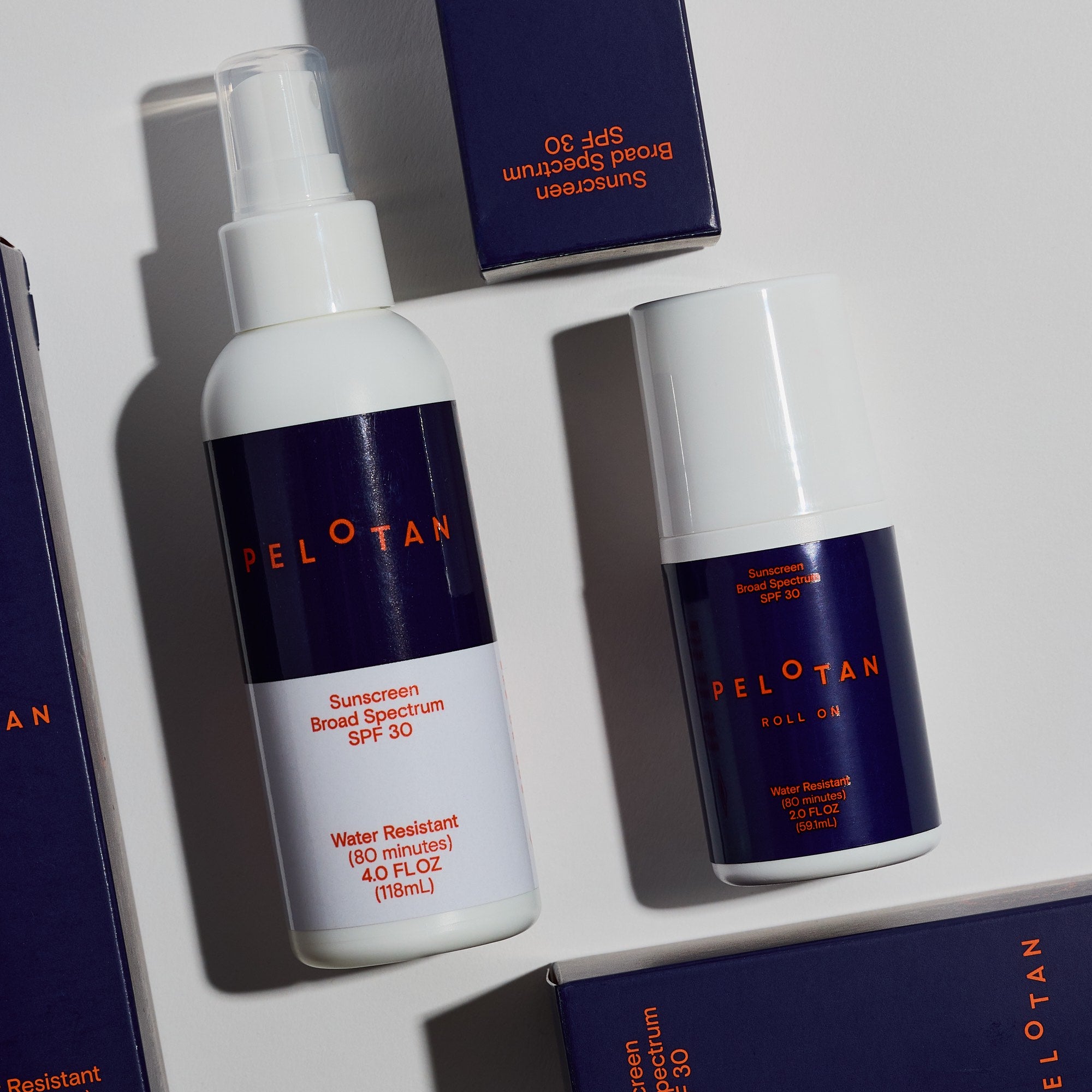
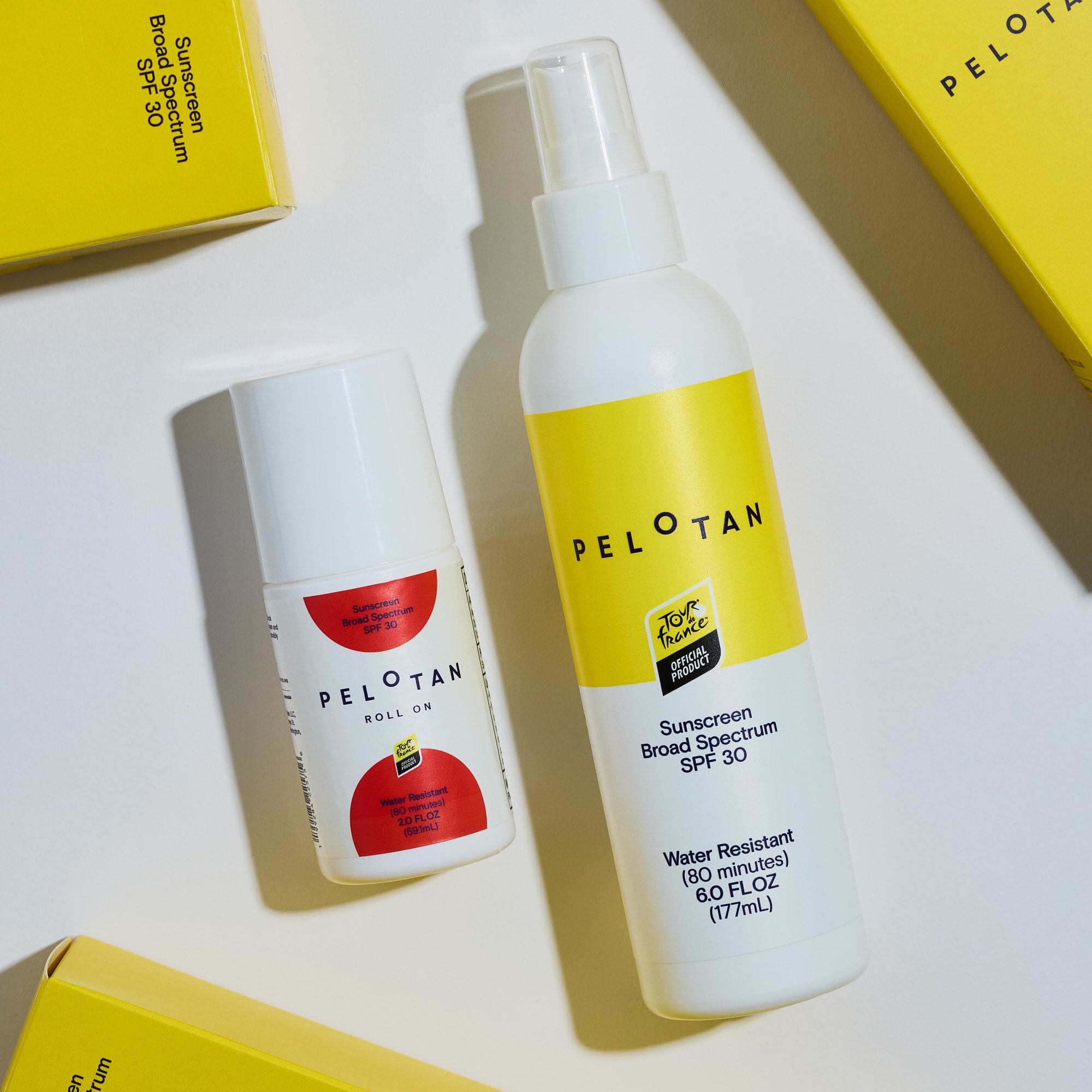
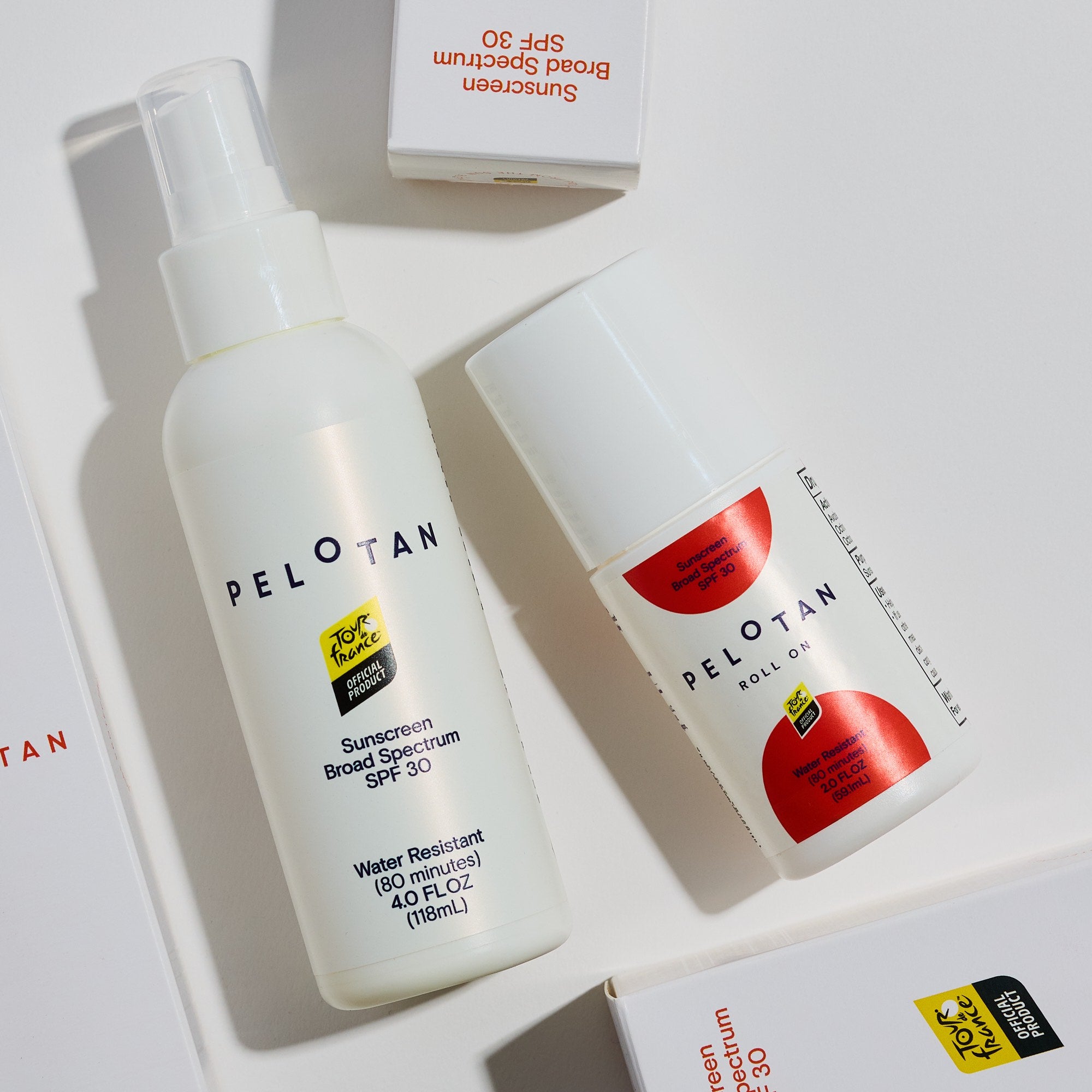
Pelotan SPF 30 is the part of that system we make. One application, the maximum FDA water- and sweat-resistance rating of 80 minutes, light enough that your skin still breathes and your kit stays clean. Pair it with Après for the cool-down. The bigger idea is the one worth sitting with: the sun is a load, and a load can be managed.
Heat Dome Essentials
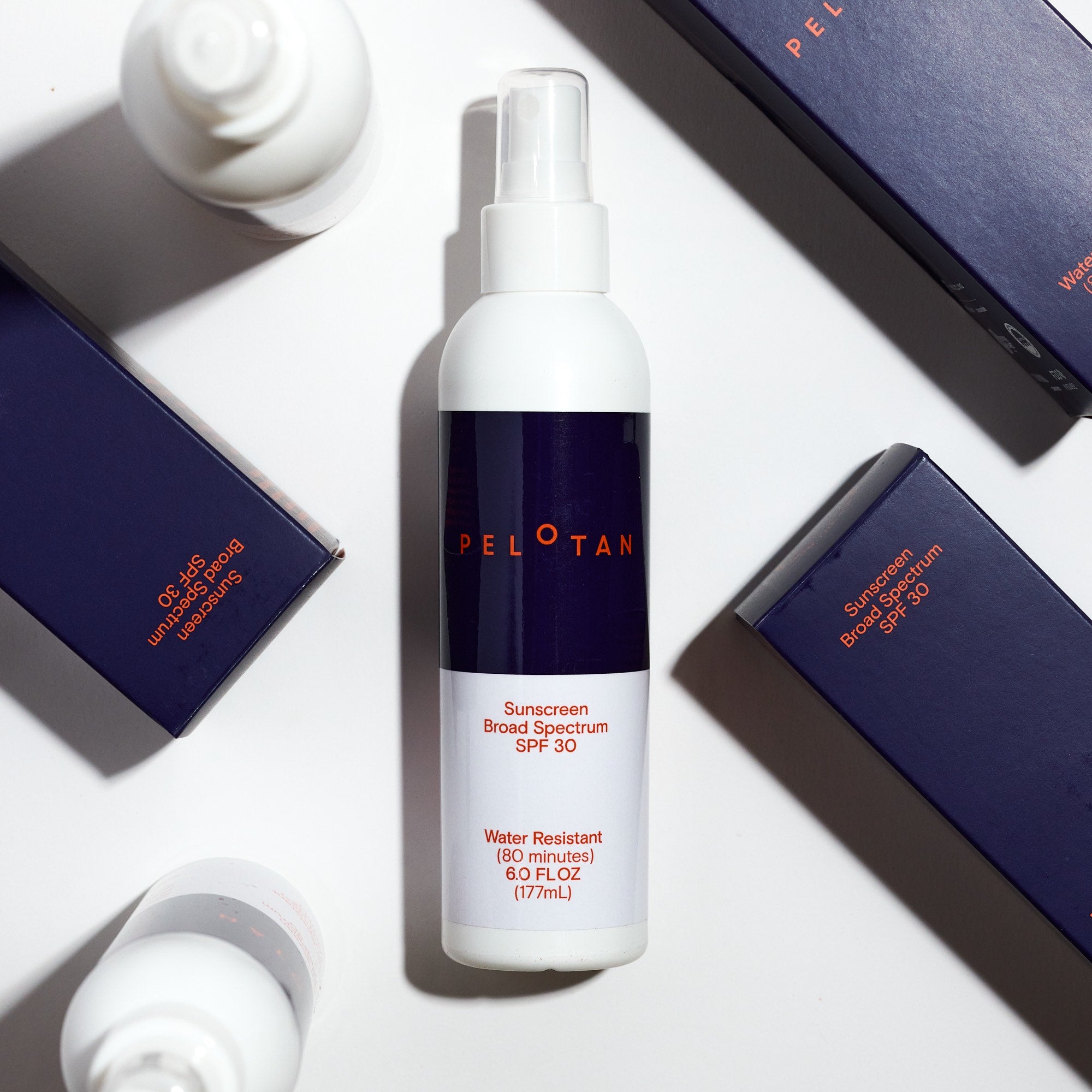
Pelotan 6oz Spray


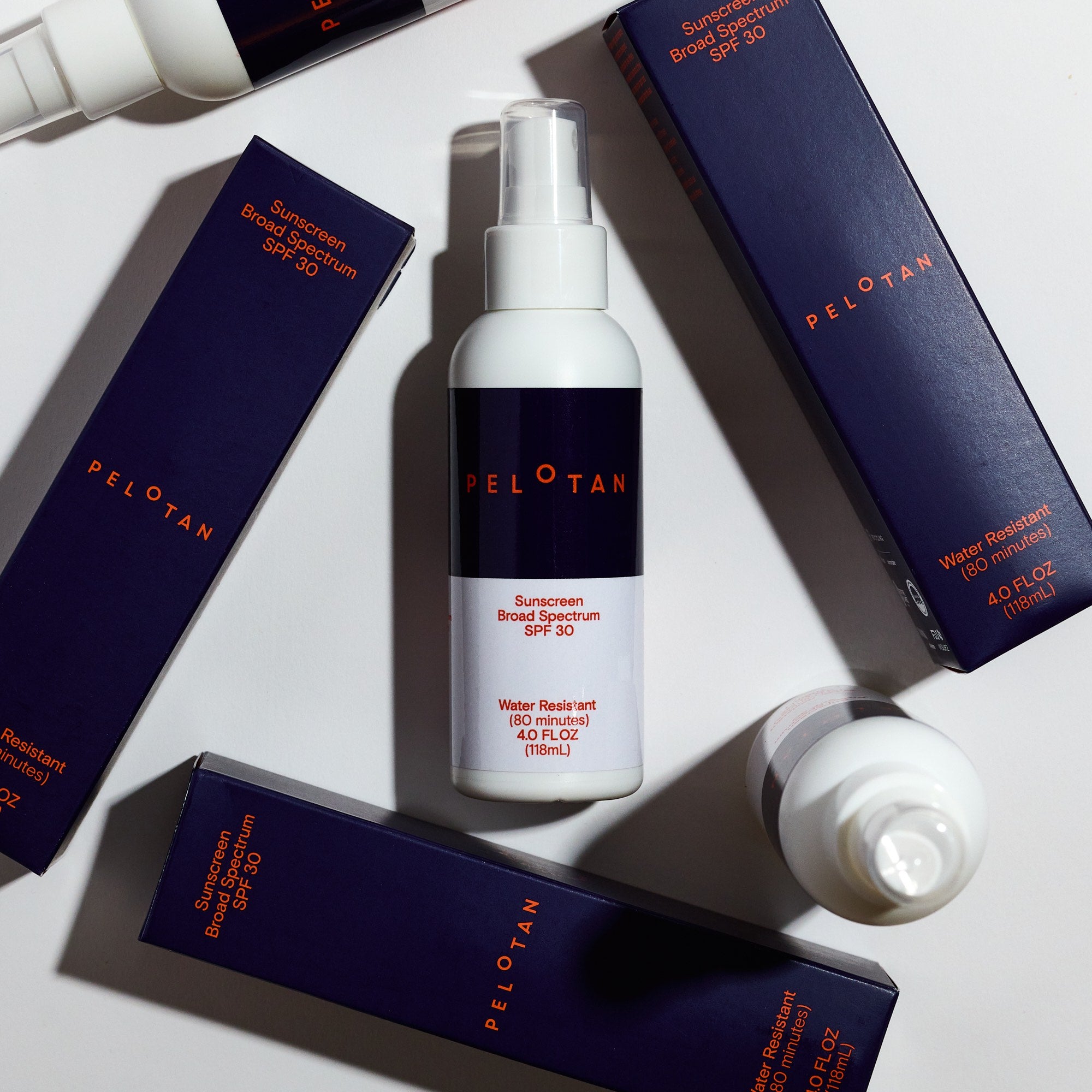
Pelotan 4oz Spray
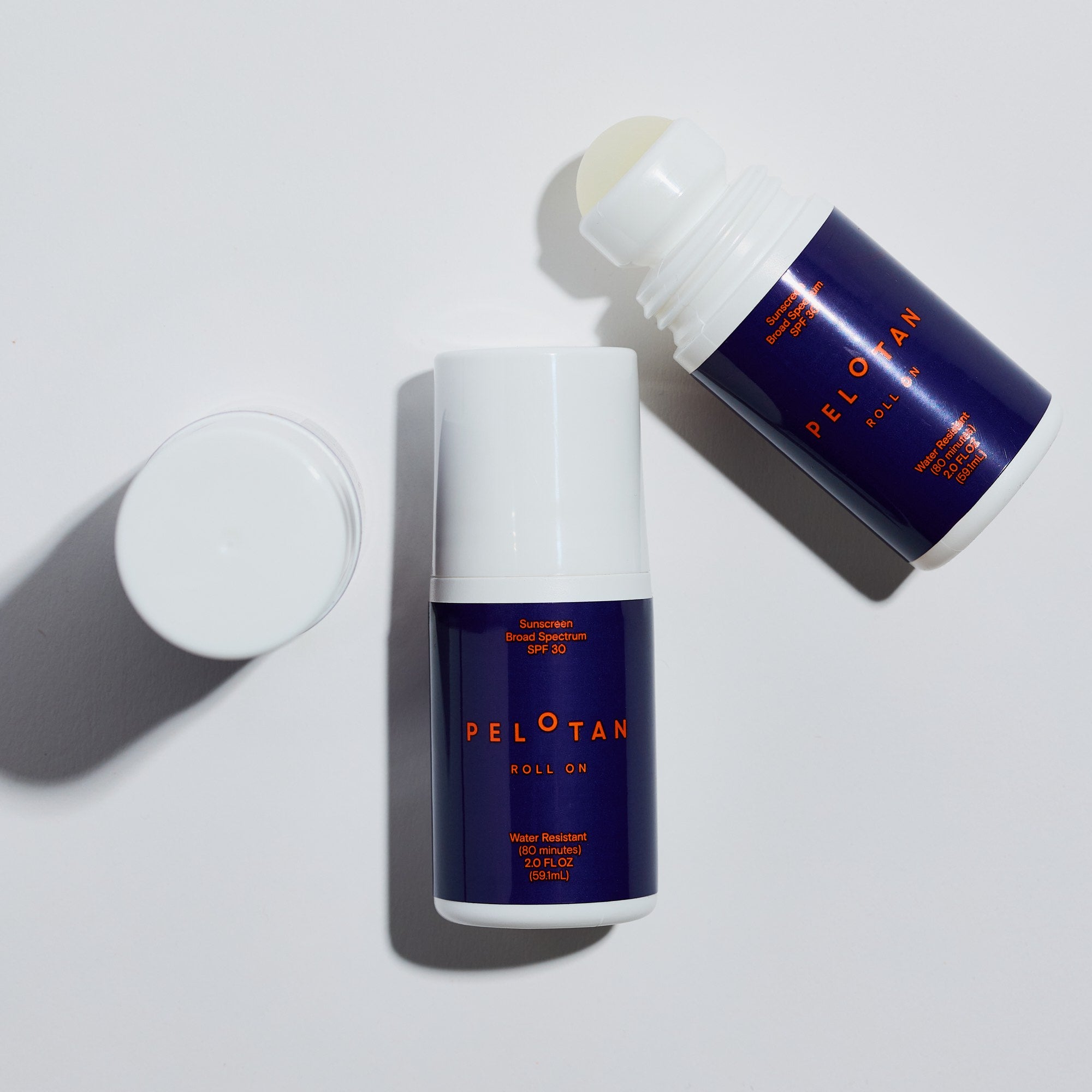
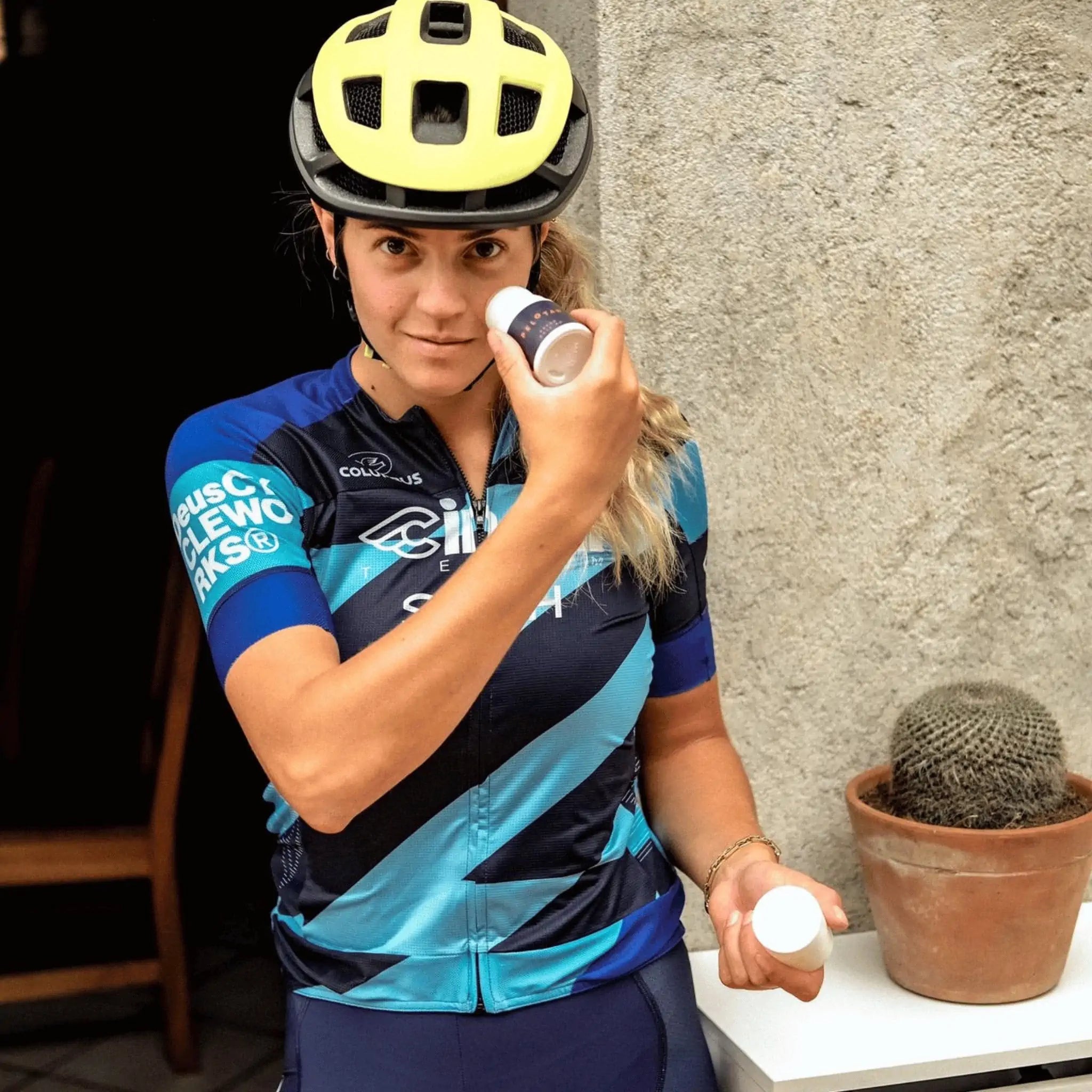
Pelotan 2oz Roll On
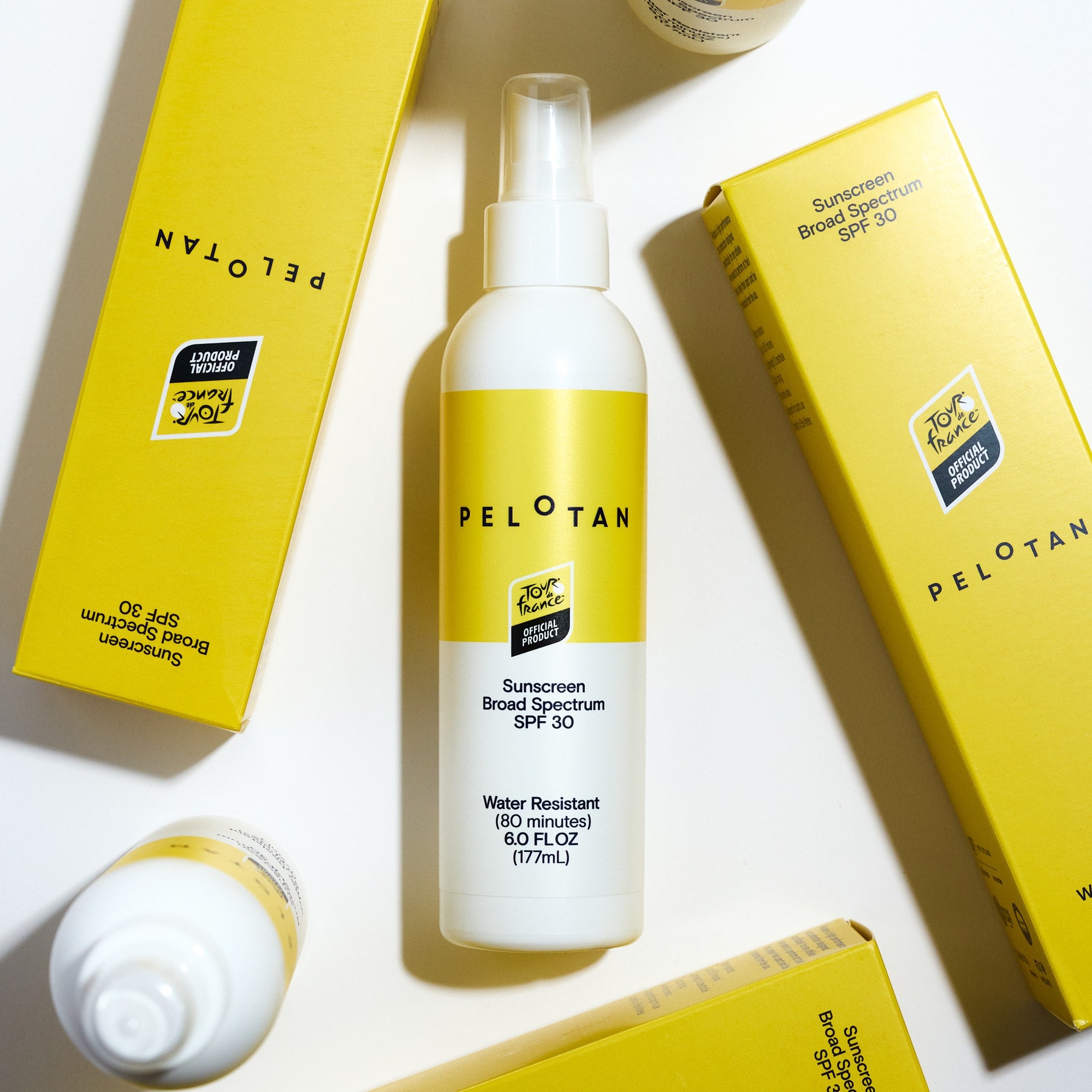
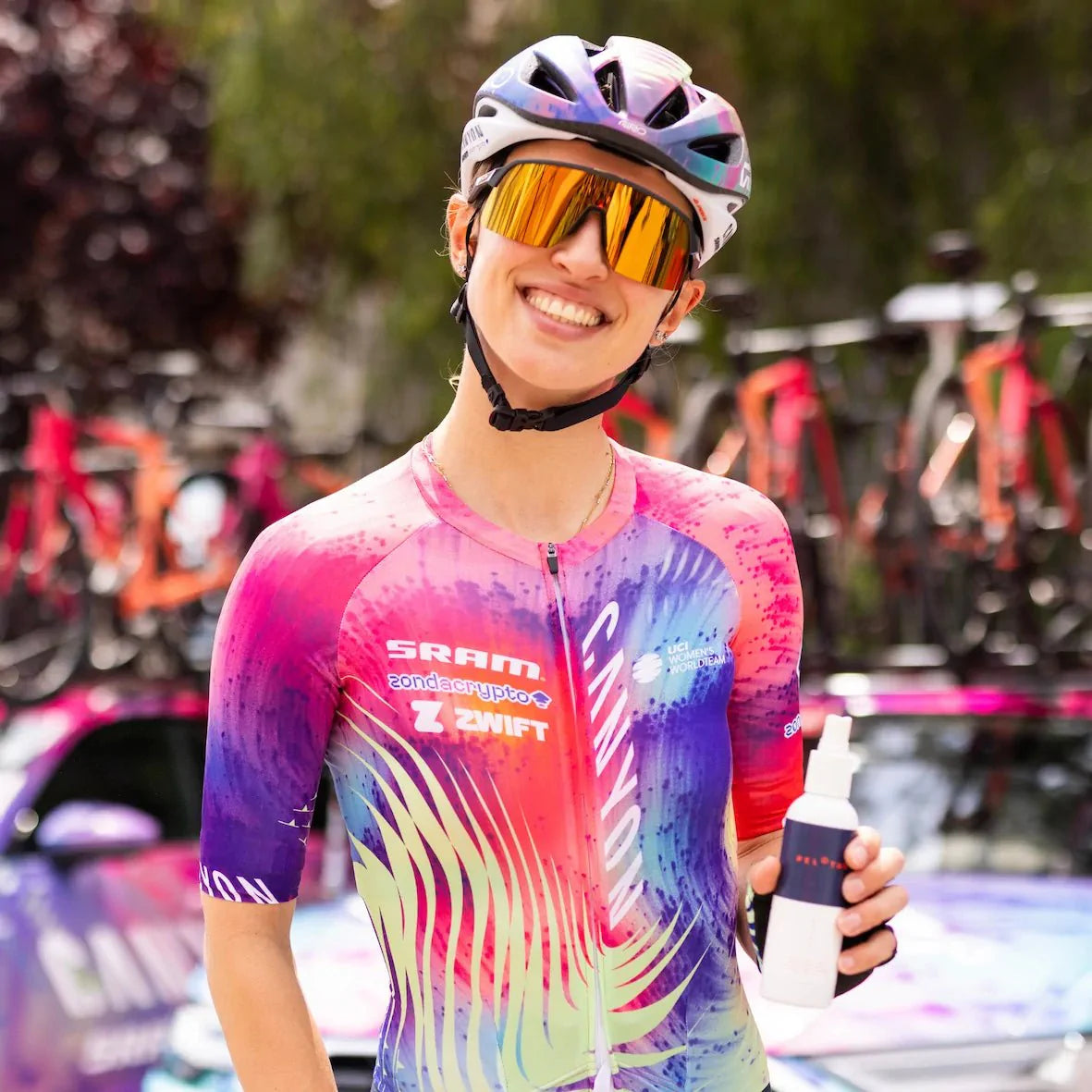


Protect and Recover Bundle
Summer Bundle
Travel Bundle



Grand Tour Bundle


